Drywall Water Damage Repair in Wilmington, NC
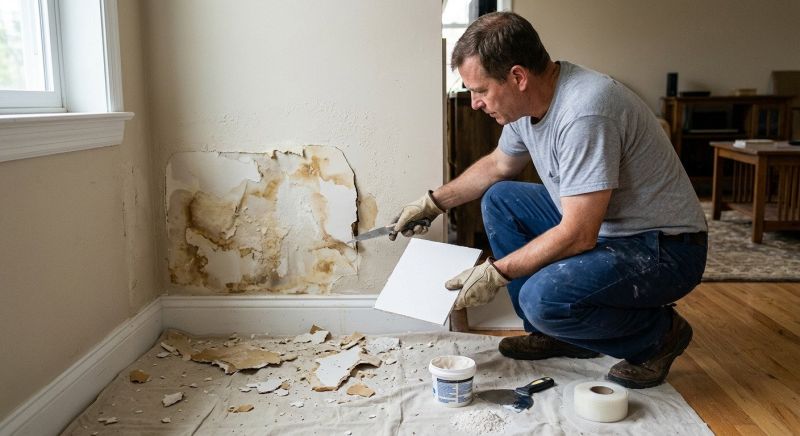
Drywall water damage repair involves assessing and restoring interior walls that have been affected by moisture intrusion. This service typically addresses issues such as water stains, sagging or warped drywall, mold growth, and compromised structural integrity caused by leaks, flooding, or high humidity. Projects may include removing damaged drywall, drying and cleaning affected areas, and replacing or repairing the drywall to restore a smooth, safe, and visually appealing surface inside homes and properties.
Homeowners and property owners usually want to understand the extent of water damage, the necessary repairs, and the potential impact on indoor air quality. It is important to consider whether the damage is localized or widespread, and if mold remediation is required as part of the process. Clarifying what steps are involved in drying, repairing, and preventing future issues can help property owners make informed decisions before requesting drywall water damage repair services.
Many property owners in Wilmington, NC look into Drywall Water Damage Repair for repairs, replacements, upgrades, and appearance-related improvements.
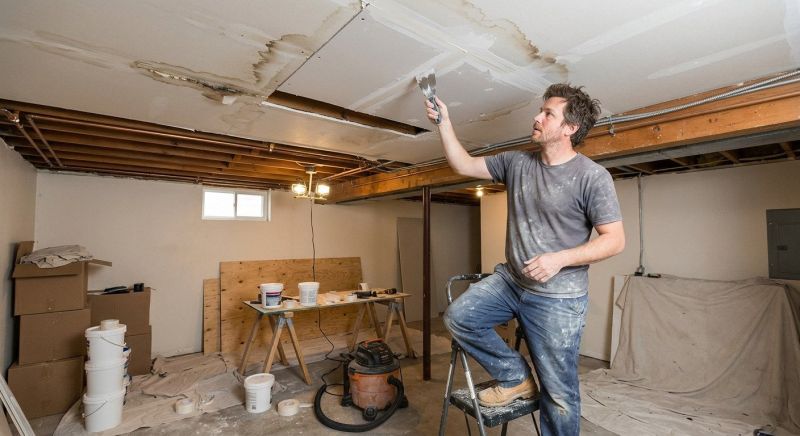
Signs Of Water Damage In Drywall
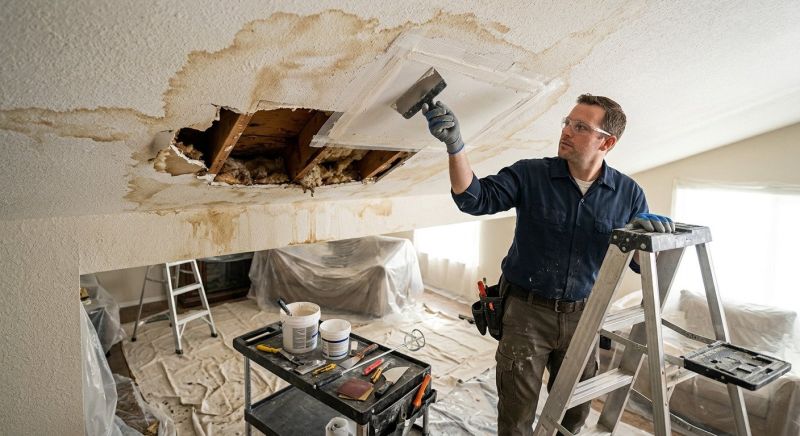
Water stains, swelling, or mold growth can indicate drywall damage caused by leaks or flooding.
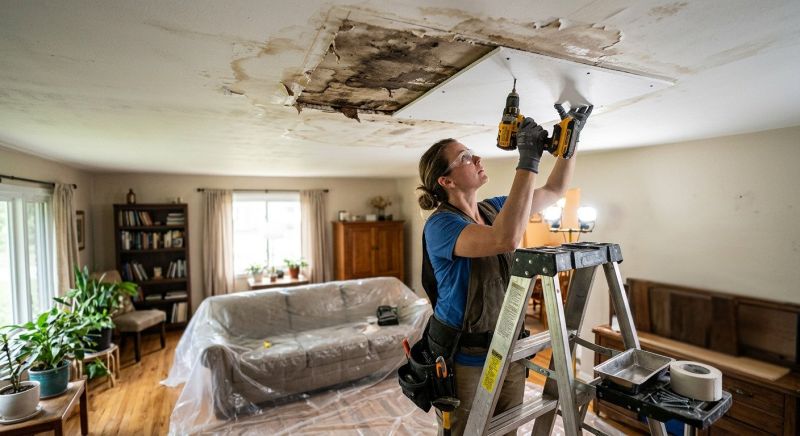
Restoring Wall Integrity
Repairing water-damaged drywall helps prevent further deterioration and maintains the safety of interior spaces.
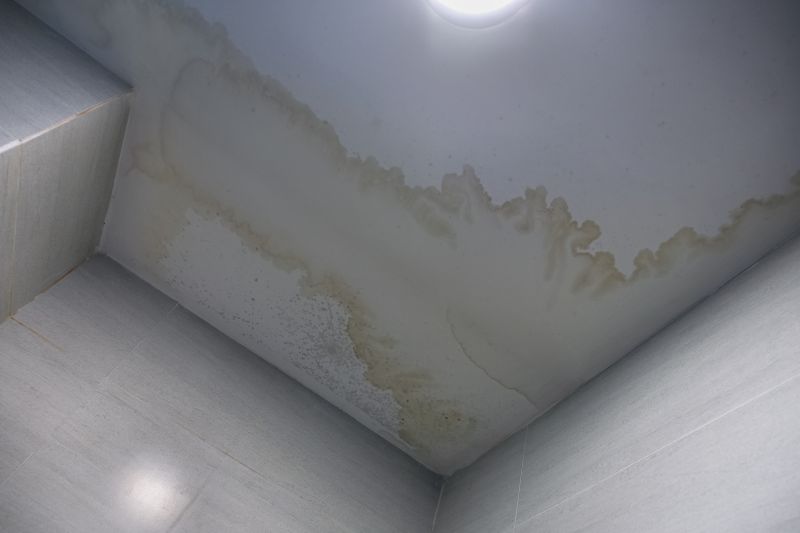
Preventing Future Water Issues
Addressing water damage promptly can reduce the risk of mold growth and structural problems in wilmington homes.
Drywall Water Damage Repair in Wilmington, NC
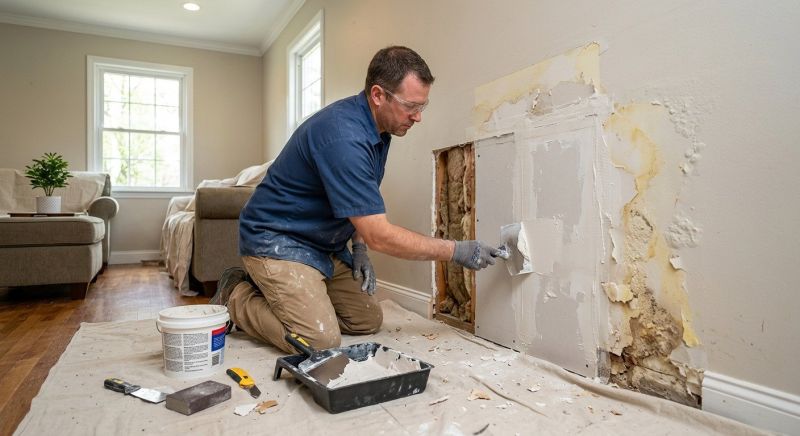
Drywall water damage repair involves assessing and restoring interior walls that have been affected by moisture intrusion. This service typically addresses issues such as water stains, sagging or warped drywall, mold growth, and compromised structural integrity caused by leaks, flooding, or high humidity. Projects may include removing damaged drywall, drying and cleaning affected areas, and replacing or repairing the drywall to restore a smooth, safe, and visually appealing surface inside homes and properties.
Homeowners and property owners usually want to understand the extent of water damage, the necessary repairs, and the potential impact on indoor air quality. It is important to consider whether the damage is localized or widespread, and if mold remediation is required as part of the process. Clarifying what steps are involved in drying, repairing, and preventing future issues can help property owners make informed decisions before requesting drywall water damage repair services.
Many property owners in Wilmington, NC look into Drywall Water Damage Repair for repairs, replacements, upgrades, and appearance-related improvements.
Common Drywall Water Damage Repair Jobs
Drywall Water Damage Repair - Restores damaged drywall caused by leaks or flooding.
Leak Repair and Prevention - Addresses source issues to prevent future water damage.
Water Damage Assessment - Evaluates the extent of damage for proper repair planning.
Drywall Replacement - Installs new drywall where water damage has compromised existing surfaces.
Mold Remediation - Removes mold growth resulting from water exposure to ensure safety.
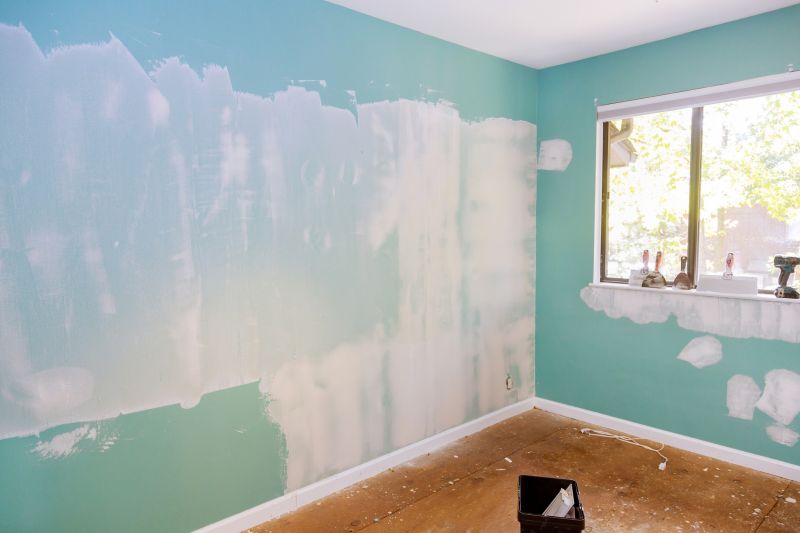
Drywall Surface Restoration - Repairs stains, warping, and surface deterioration caused by water intrusion.
Drywall Water Damage Repair Questions
What causes drywall water damage? Water damage can result from leaks, plumbing issues, or roof leaks that allow moisture to penetrate drywall surfaces.
How can water damage affect drywall? Water exposure can cause warping, mold growth, and deterioration of drywall materials if not addressed promptly.
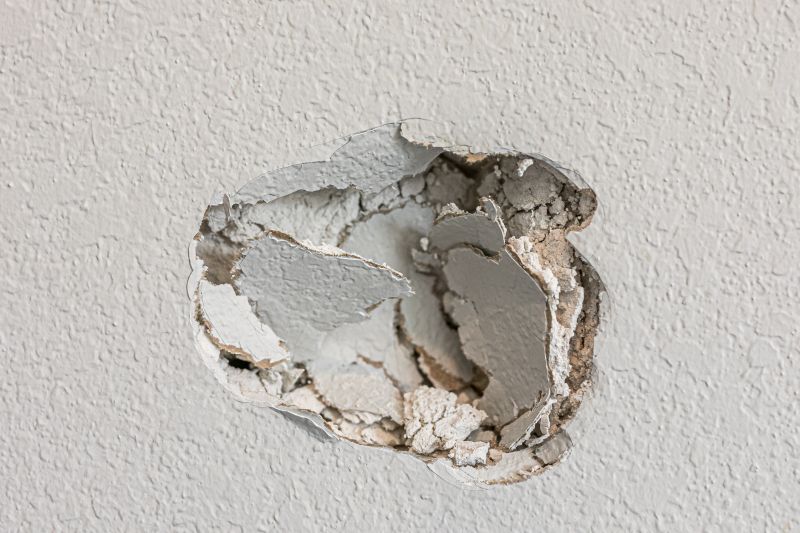
What are common signs of drywall water damage? Signs include staining, bubbling, soft spots, or a musty odor near affected areas.
Is drywall water damage repair necessary? Yes, repairing water-damaged drywall helps prevent mold growth and maintains the integrity of interior walls.
Request Drywall Water Damage Repair in Wilmington, NC
Use the quote form on this page to share the basics of your project and request more information for the type of work you need.